Founded by Blythe, age 8
Climate Action
4 Kids
Learn about our amazing planet. Discover why it needs your help.
Then take action — because kids can change the world.
Learn about our amazing planet. Discover why it needs your help.
Then take action — because kids can change the world.
Our planet is incredible — and it needs our help. Here are some mind-blowing facts every kid should know.
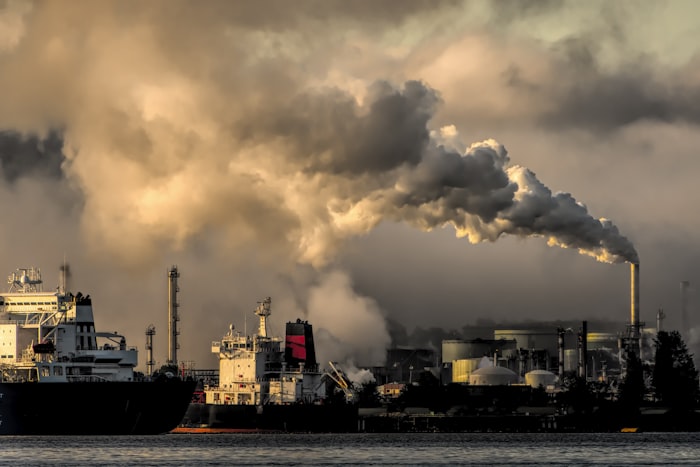
Our planet's average temperature has risen by about 1.5°C since the 1800s. That might sound tiny, but it's enough to melt massive glaciers, raise sea levels by over 8 inches, trigger stronger hurricanes, and cause heat waves that break records every year. Scientists say even half a degree more could push ecosystems past the point of no return.
+1.5°C since the 1800s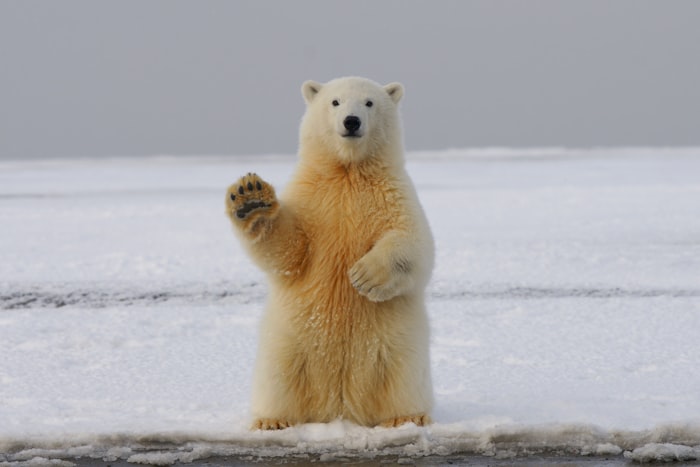
Polar bears depend on Arctic sea ice to hunt seals — their main food source. But Arctic ice has shrunk by over 30% since 1979. That means polar bears have to swim farther and farther to find food, sometimes over 60 miles at a time. Some bears are going hungry, and mother bears struggle to feed their cubs. Without action, two-thirds of the world's polar bears could disappear by 2050.
30% less Arctic ice since 1979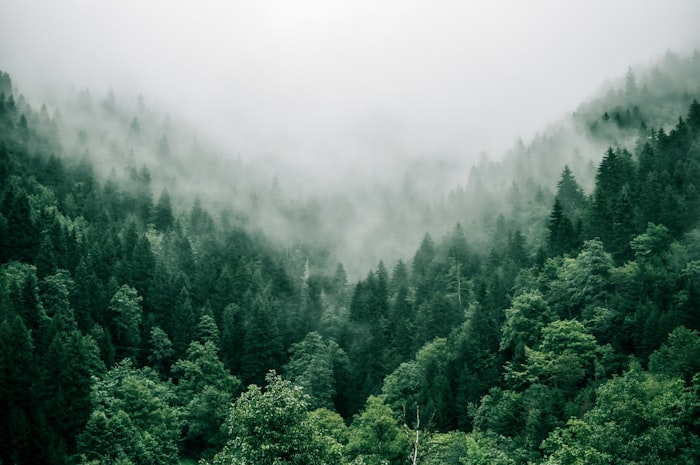
One large tree can absorb around 22 kilograms of CO₂ every single year — that's like vacuuming pollution straight out of the air! A single acre of forest absorbs about 6 tons of CO₂ annually. Forests also produce the oxygen we breathe, cool the air around them, filter our water, and provide homes for 80% of the world's land animals. But we're losing forests fast — an area the size of a football field is destroyed every single second.
1 football field of forest lost every second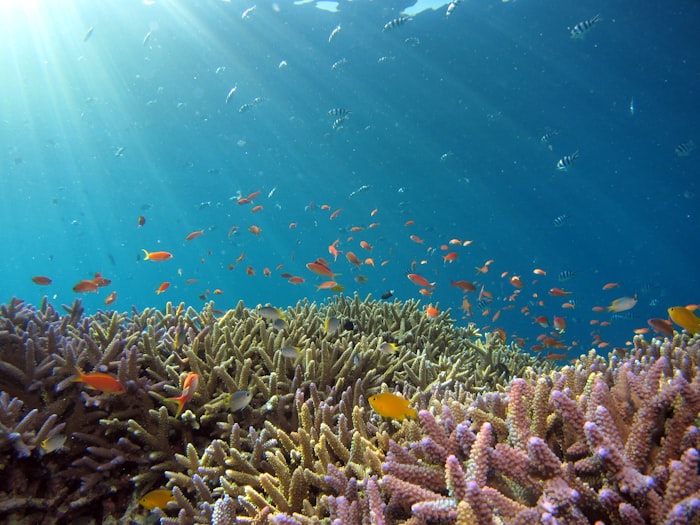
The ocean absorbs over 90% of the extra heat caused by climate change and about a quarter of all CO₂ emissions. This makes the water warmer and more acidic. Warmer oceans cause coral reefs to "bleach" — turning white and dying. Coral reefs are home to 25% of all marine species, even though they cover less than 1% of the ocean floor. Stronger storms fueled by warm water threaten coastal communities worldwide.
25% of ocean life depends on coral reefs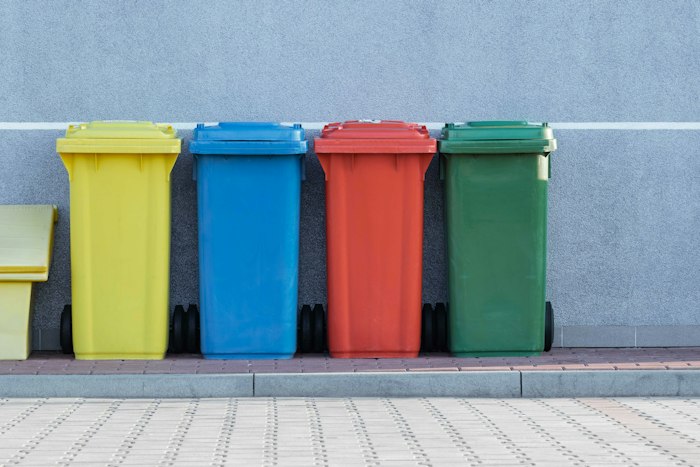
Recycling one aluminum can saves enough energy to power a TV for 3 hours. Recycling one ton of paper saves 17 trees, 7,000 gallons of water, and enough energy to power an average home for 6 months! Humans produce over 2 billion tons of waste every year, and a lot of it ends up in landfills where it creates methane — a greenhouse gas 80 times more powerful than CO₂ at trapping heat.
17 trees saved per ton of recycled paper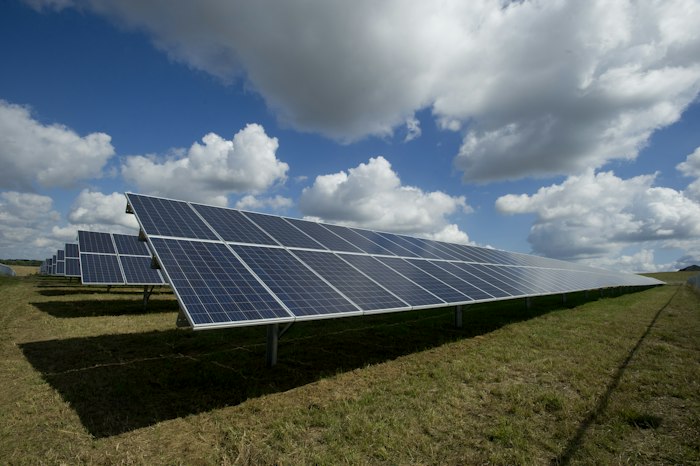
The sun sends enough energy to Earth in just one hour to power the entire world for a full year! Solar panels turn this free, clean energy into electricity without any pollution. Renewable energy is now cheaper than fossil fuels in many places — in 2023, renewables generated over 30% of the world's electricity for the first time ever. The future is bright!
1 hour of sunshine = 1 year of global energyDive deeper into the issues that matter most. Every topic connects to the bigger picture of protecting our planet.

Climate change is reshaping the natural world. Polar bears lose hunting grounds as Arctic ice melts. Sea turtles face a crisis — warmer sand temperatures mean almost all hatchlings are being born female, which could lead to extinction over time. Coral reef fish are losing their homes as reefs bleach and die. In just two decades, over 10 billion snow crabs disappeared from the Bering Sea due to warming waters and starvation.
But there's hope! Tiger populations have grown from 3,200 to over 5,700 thanks to conservation. When we protect habitats and cut emissions, wildlife recovers.
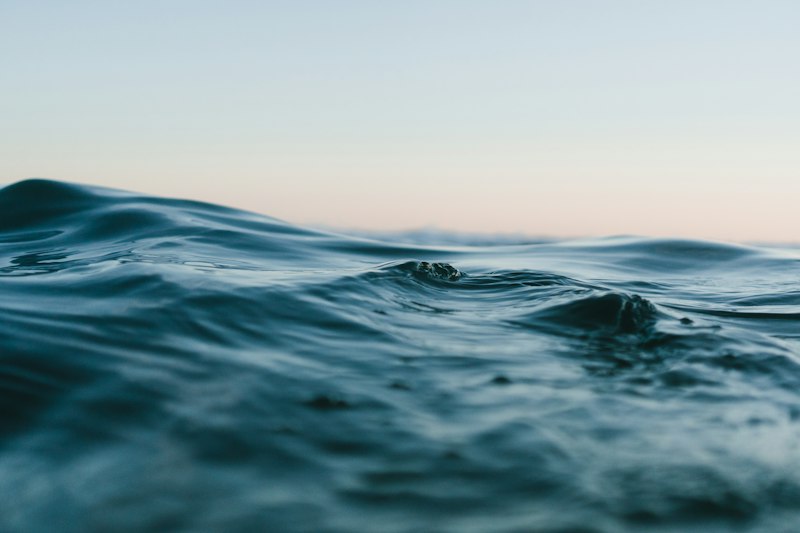
Our oceans cover 71% of Earth's surface and produce over half the oxygen we breathe. But they're under stress. The ocean has absorbed so much CO₂ that it's becoming more acidic — this "osteoporosis of the sea" weakens shells and coral skeletons. Marine heat waves have killed over a billion sea creatures in single events. Rising sea levels threaten coastal communities where hundreds of millions of people live.
The good news? When we create marine protected areas and reduce pollution, ocean ecosystems can bounce back remarkably fast.
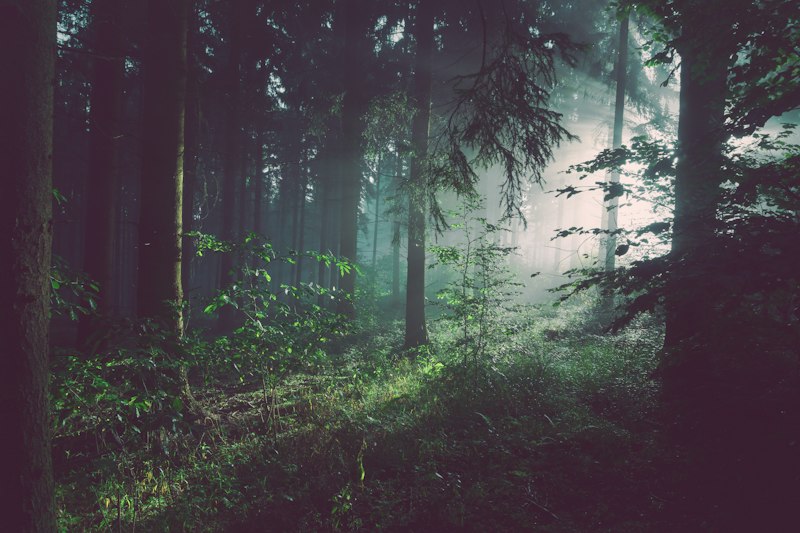
Forests are Earth's lungs — they absorb CO₂ and breathe out oxygen. The Amazon rainforest alone produces about 6% of the world's oxygen and is home to 10% of all species on Earth. But deforestation, wildfires made worse by climate change, and insect outbreaks are destroying forests faster than they can regrow. The wildfire season in Alaska now stretches from April to September — a full month longer than it used to be.
Young people are fighting back! Felix Finkbeiner started a tree-planting campaign at age 9. Today, his organization has planted trees all over the world. One kid started it all.
The average person produces about 4.4 pounds of trash every day. That adds up to over 2 billion tons globally each year! When trash goes to landfills, it breaks down and releases methane — a greenhouse gas 80 times more potent than CO₂. The fashion industry alone produces 10% of global carbon emissions — more than international flights and shipping combined.
The solution? Reduce what you buy, reuse what you can, repair what breaks, and recycle the rest. Composting food scraps keeps organic waste out of landfills and creates amazing soil for gardens.
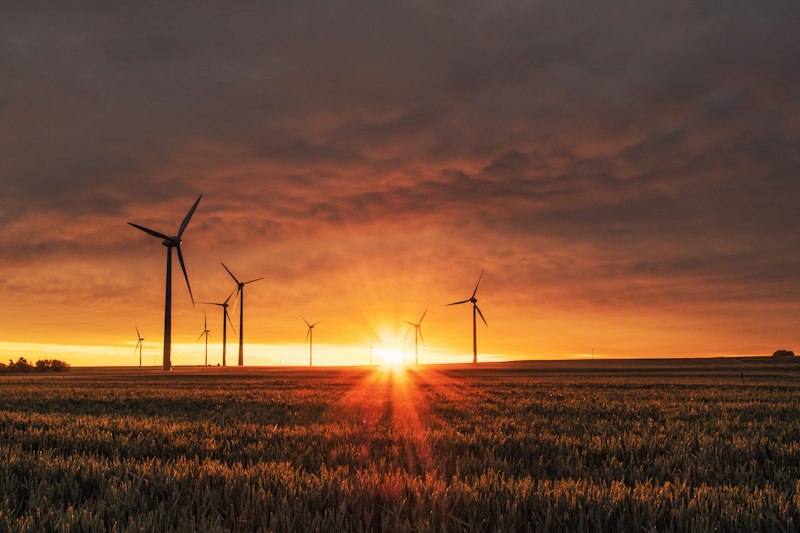
Most climate change is caused by burning fossil fuels — coal, oil, and natural gas — for energy. But the future is exciting! Solar energy costs have dropped 89% since 2010. Wind power is now the cheapest source of new electricity in many countries. In 2023, renewables generated over 30% of the world's electricity for the first time in history.
Countries like Denmark get over 50% of their electricity from wind. Costa Rica runs on nearly 100% renewable energy. Electric cars and battery storage are making a fossil-fuel-free future possible — and kids your age will be the ones leading it.
Ready to make a real difference? Start with the easy ones and work your way up to the BIG challenges. Check them off as you go!
Set a timer and challenge yourself. You'll save gallons of water and the energy used to heat it. Try it for a whole week!
5 minPlant a seed, a flower, or start an herb garden on your windowsill. Every plant absorbs CO₂ and releases oxygen!
30 minWalk through every room. Find things wasting energy — lights on, idle chargers, open doors. Fix every one!
15 minEat plant-based for one day. Raising animals for food creates more greenhouse gases than all transportation combined!
1 dayFor one week, sort trash into recyclable, compostable, and landfill. Present your findings to your family!
1 weekFor any trip under a mile, walk or bike. Track how many car trips you replaced and calculate the CO₂ saved!
1 weekShare climate facts with at least 5 friends. Make a poster, give a talk, or just have a conversation. Knowledge spreads!
1 weekSet up composting for food scraps. Banana peels and veggie scraps become soil instead of methane in landfills!
OngoingRally friends and family to clean up a park, beach, or creek. Make flyers, bring supplies, take before/after photos. Aim for 100+ pounds of trash collected!
1 full dayFor one month, send NOTHING to the landfill. Refuse single-use plastics, compost everything, recycle the rest. Keep a daily journal. This is seriously hard!
30 daysWork with your school or a local org to plant 50 native trees. Map where you planted them. In 10 years, they'll absorb over a ton of CO₂ per year!
1-3 monthsCreate an official club. Recruit members, hold weekly meetings, do a school energy audit, and present recommendations to your principal!
School yearResearch your city's climate policies. Write a real paper letter to an elected official explaining why climate action matters to you. Leaders listen when kids speak up!
2-3 hoursCalculate your family's carbon footprint, create a plan to cut it by 25%, track progress for 3 months with charts, and present the results. Run it like a real job!
3 monthsDraw, paint, or create art about climate change — then share it here! We want to see how YOU imagine our planet's future.
Draw anything about climate change — animals, nature, the future, your hopes for the planet. Take a photo or scan it and share it with kids around the world!
1. Draw or paint something about climate change
2. Take a photo of your artwork
3. Click the button below to email it to us!
4. Include your first name, age, and tell us about your drawing
5. Don't forget to attach your photo!
Opens Gmail in a new tab — just attach your photo and hit send!
Don't use Gmail? Send your drawing to: climateaction4kids@gmail.com
Drawings from kids around the world will appear here. Be the first to submit yours!
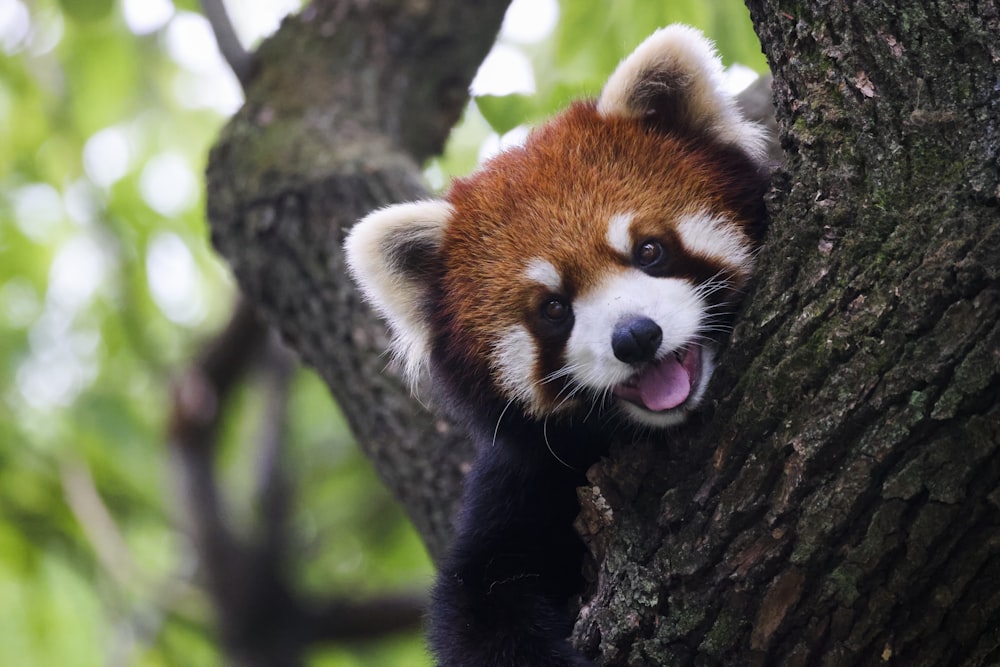
Age 8 · Founder · Red Panda Lover 🐾
There's a big clock in Union Square counting down the time we have left to save our planet. We only have about three years. That's why I started this.
We only have one Earth. It's not like we have 5,000 — we just have this one. And this is where we all live: the animals, the trees, the plants, and us humans too. (Technically, we're also animals!) So we need to take care of it.
Sometimes the animals believe in us to help them. So we should do what the Earth needs. Help the animals. Help the trees. Help the plants. Don't be so selfish about yourself. You kind of want to take a stand when something is like you really care about — like the Earth.
It's really important that kids take a stand because we're the ones who will be here the longest. If we start now, we can tell our kids, and they can tell their kids, and their kids, and their kids — until we build a community all over the world that is finally harmless to the Earth.
Hey — be careful about your Earth. Don't pollute so much. Don't drive your car everywhere every single day if you don't have to. Try an electric car, or maybe we could even have electric public buses. There are things we can do that are better for the planet. We just have to try.
If we don't take action, the world will just become a dirty place. And what would it be like to live in that? It would really stink.
We only have one Earth. So let's save it now.
Promise to do one thing every day to help our planet!
kids have taken the pledge so far!